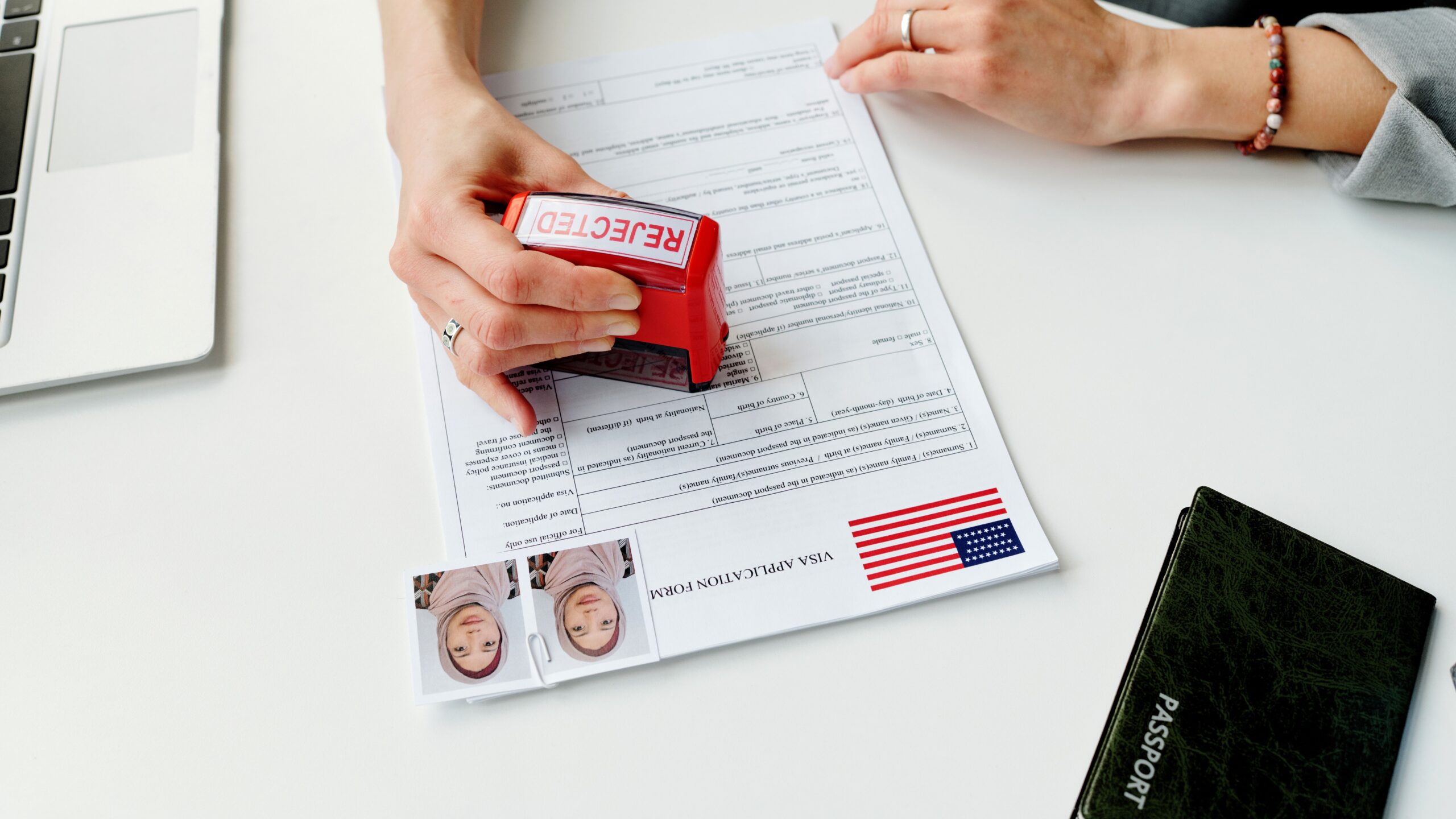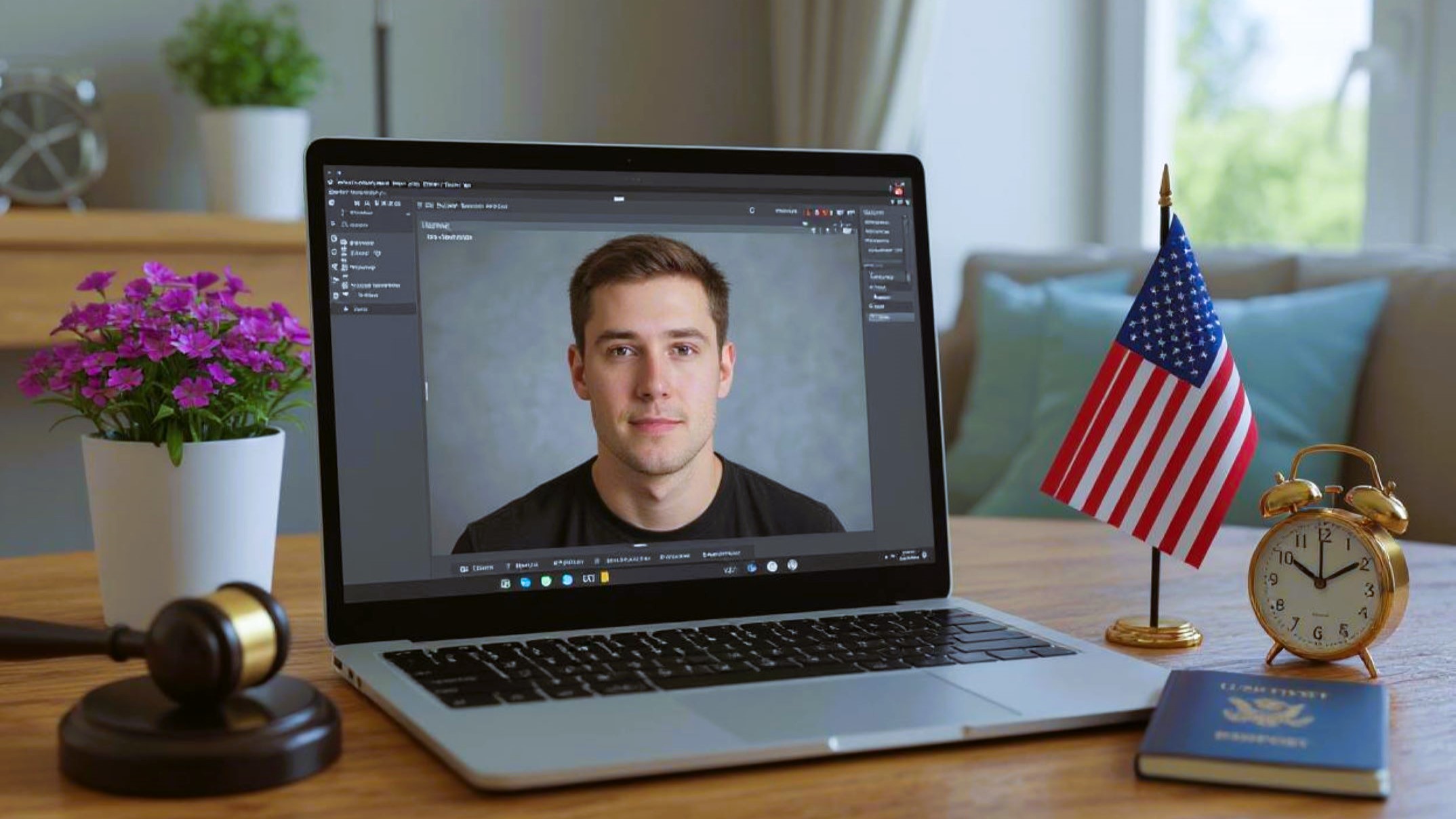

Applying for a UAE visa can be an exciting step toward exploring the vibrant culture and booming cities of the United Arab Emirates. But did you know that your visa photo plays a crucial role in ensuring your application goes smoothly? If your photo doesn’t meet the exact UAE visa photo requirements, your application could face delays—or worse, rejection. In this article, we’ll dive deep into everything you need to know about UAE visa photos, so you can breeze through the process without a hitch.
General Specifications for UAE Visa Photos
Photo Dimensions and Size
When applying for a UAE visa from the United States, it is essential to submit a passport-style photo that meets specific size requirements. Generally, the photo should be 4cm x 6cm (approximately 1.6 x 2.4 inches), although some applications might accept the standard American passport size of 2×2 inches. The key point is that the photo must be recent—ideally taken within the last six months—to accurately reflect your current appearance. This helps prevent confusion or misidentification during the visa approval process.
Additionally, the photo should capture your full head and upper shoulders clearly. Make sure your face occupies about 70-80% of the photo area to ensure your facial features are clearly visible for identification. Using a photo taken several years ago or one that is cropped improperly may result in your visa application being delayed or rejected, so adhering strictly to these size and recency guidelines is crucial.
Background Color Requirements
One of the strictest and most important requirements for UAE visa photos is the background. The background must be plain white or light-colored, with absolutely no shadows, patterns, or objects in the frame. This clean background ensures your face stands out clearly and eliminates any distractions or visual interference that might complicate the identification process.
To meet this requirement, avoid backgrounds such as textured walls, colored fabrics, or outdoor scenes. If you’re taking the photo at home, use a white wall or hang a white sheet behind you. Even slight shadows can cause your photo to be rejected. Professional photo studios in the U.S. are usually familiar with these rules and can provide an appropriate background, but if you’re taking the photo yourself, pay close attention to lighting and background color to avoid problems.
Photo Quality and Resolution
The quality of your UAE visa photo is just as important as its size and background. If you are submitting a hard copy, the photo must be printed on high-quality photo paper to ensure durability and clarity. Faded or blurry photos, or those printed on regular paper, are generally not accepted.
For digital submissions, which are common when applying online from the U.S., the image should be high-resolution with no pixelation, blurriness, or compression artifacts. The file format is usually JPEG or PNG, and the file size should typically be under 1MB unless otherwise specified by the UAE embassy or visa processing center. Ensuring your photo meets these standards helps avoid delays and additional requests for resubmission.
Detailed Guidelines for the UAE Visa Photo
Head Position and Facial Expression
When preparing your UAE visa photo, the position of your head is one of the most important factors to get right. Your head should be straight and centered in the frame, with your face fully visible. This means looking directly into the camera without turning or tilting your head. The goal is to capture a clear, front-facing image that accurately represents your appearance.
Along with positioning, your facial expression must be neutral. This means:
- No smiling or showing teeth
- No frowning or grimacing
- No tilting or turning your head
A neutral expression helps ensure that your photo can be used for official identification without confusion. Think of it as the standard “passport look” — calm, serious, and straightforward.
Eye Position and Visibility
Your eyes must be fully visible and open, looking straight at the camera. This is critical because eye visibility is often used in biometric checks. To meet this requirement:
- Keep your eyes wide open, avoiding squinting or blinking
- Make sure no hair is falling across your eyes
- If you wear glasses, avoid frames that cover your eyes or lenses that cause glare
Wearing glasses is generally discouraged, but if necessary, ensure there is no reflection on the lenses that obscures your eyes. Contact lenses are allowed, but the natural appearance of your eyes should be maintained.
Lighting and Shadows
Proper lighting is key to a clear and acceptable UAE visa photo. Your face and the background must be evenly lit, with no shadows visible anywhere in the photo. Shadows can obscure facial features or cause the background to appear uneven, which often leads to photo rejection.
To achieve ideal lighting conditions:
- Use natural daylight or soft, diffused artificial light
- Avoid direct flash or harsh light sources that create glare or reflections
- Ensure the background is uniformly illuminated without dark patches or shadows
- Position yourself so light falls evenly on your face from the front
Proper lighting not only enhances photo clarity but also ensures compliance with UAE visa photo standards.
Specific Requirements Based on Visa Type
When applying for a UAE visa from the U.S., it’s important to understand that different visa types may have slightly varied photo requirements. Although the general photo guidelines apply to all applicants, the Tourist, Work, and Student visas each have unique specifications you should be aware of before submitting your application.
Tourist Visa Photo Requirements usually follow the standard UAE visa photo rules—plain white background, proper lighting, neutral expression, and so on. However, tourist visa photos often need to be sized as 2×2 inches and submitted digitally, especially when applying online through the UAE government portal or authorized visa agencies. Because tourist visas are usually short-term and processed quickly, the photo’s clarity and adherence to these basic standards are critical for a smooth application process.
On the other hand, Work Visa Photo Requirements can be more stringent. Work visas often require higher resolution photos to ensure that facial features are captured in greater detail. In some cases, applicants might also need to provide additional identity verification documents along with their photo. This is because work visas are typically for longer durations and might involve background checks. Therefore, submitting a photo that is clear, properly sized, and in the correct format is vital to avoid delays.
For those applying for a Student Visa, photos must be very recent—taken within the last six months—and crystal clear to meet institutional standards. Student visa applications often require digital submission directly to universities or the government education portal. Since student visas involve academic institutions, they might have specific photo requirements related to file format or resolution that go beyond the usual government guidelines. Checking the school’s instructions beforehand will help ensure your photo meets all necessary standards.
| Visa Type | Photo Size | Resolution & Format | Submission Method | Additional Notes |
| Tourist Visa | 2×2 inches (51x51mm) | Standard resolution JPEG/PNG | Digital upload online | Must be recent; plain white background |
| Work Visa | 4cm x 6cm or 2×2 inches | High resolution preferred | Digital or physical submission | Extra ID verification may be required |
| Student Visa | 4cm x 6cm or 2×2 inches | High clarity digital photo | Digital upload to institution | Follow school-specific file format rules |
Common Mistakes to Avoid When Taking UAE Visa Photos
Submitting a UAE visa photo that doesn’t comply with official guidelines is a common cause of application delays and rejections. Avoiding these mistakes can save you time and hassle.
One of the most frequent errors is using incorrect background colors. The UAE visa photo rules clearly specify that the background must be plain white or very light colored, with no patterns or objects visible. Photos with colored, textured, or shadowed backgrounds will be automatically rejected. Even light shades that are not close to white might cause problems, so it’s safer to stick strictly to a clean white background.
Another common mistake is improper head positioning. Many applicants accidentally submit photos where their head is tilted, turned sideways, or not centered properly. The UAE visa photo must show a front-facing, straight head position with eyes looking directly at the camera. Any deviation, such as tilting your chin up or down or looking away, can lead to photo denial. Make sure to keep your face aligned with the camera lens to meet the criteria.
Poor lighting or shadows on the face or background also cause many photo rejections. Photos with uneven lighting, harsh shadows, or reflections on glasses fail the UAE standards. To avoid this, ensure your face and the background are evenly lit, with no shadows obscuring your features. Using soft natural light or diffused artificial lighting will produce the best results and prevent unwanted shadows.
By being aware of these common pitfalls, you can ensure your UAE visa photo meets all requirements and helps speed up your application process.