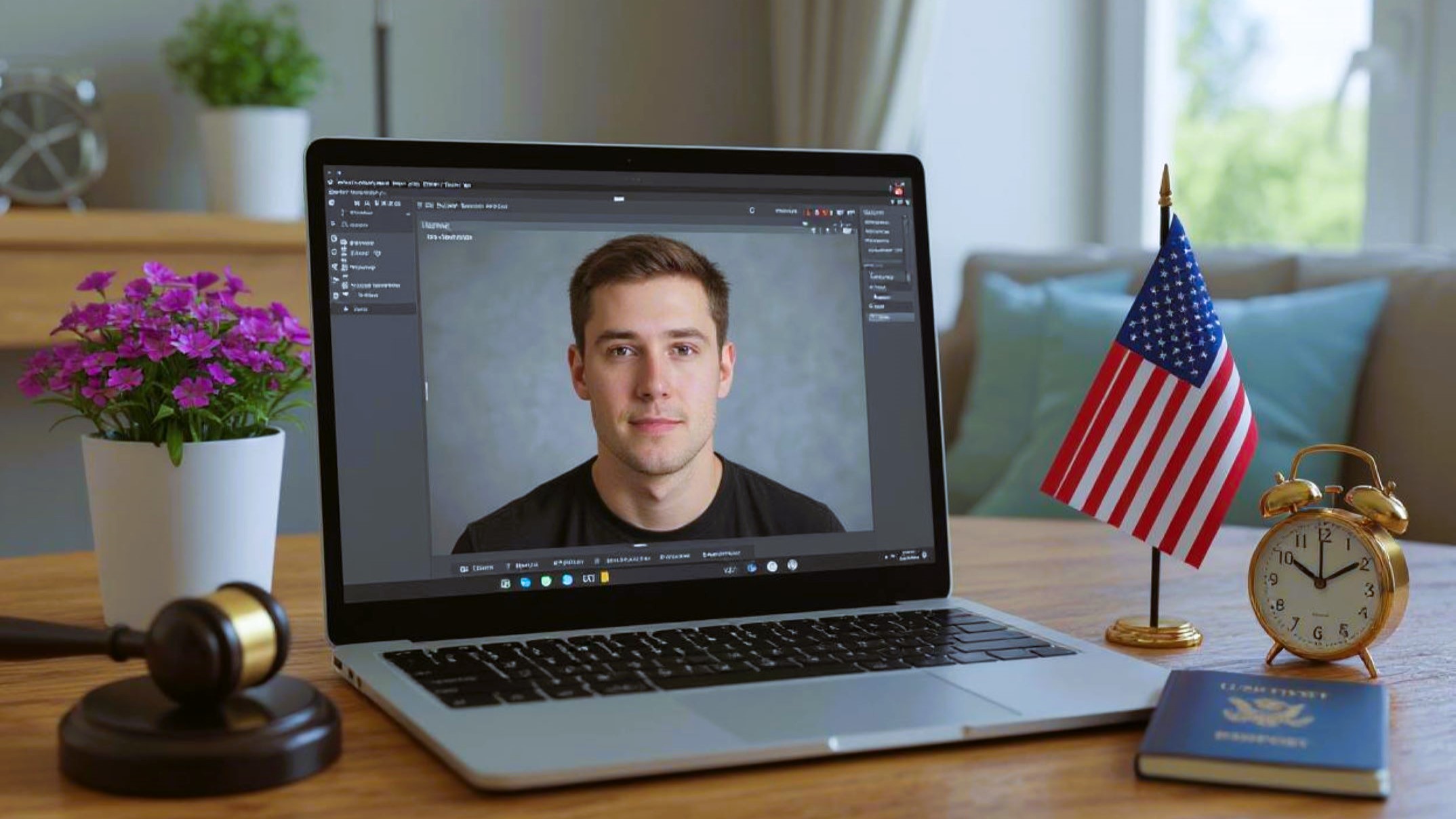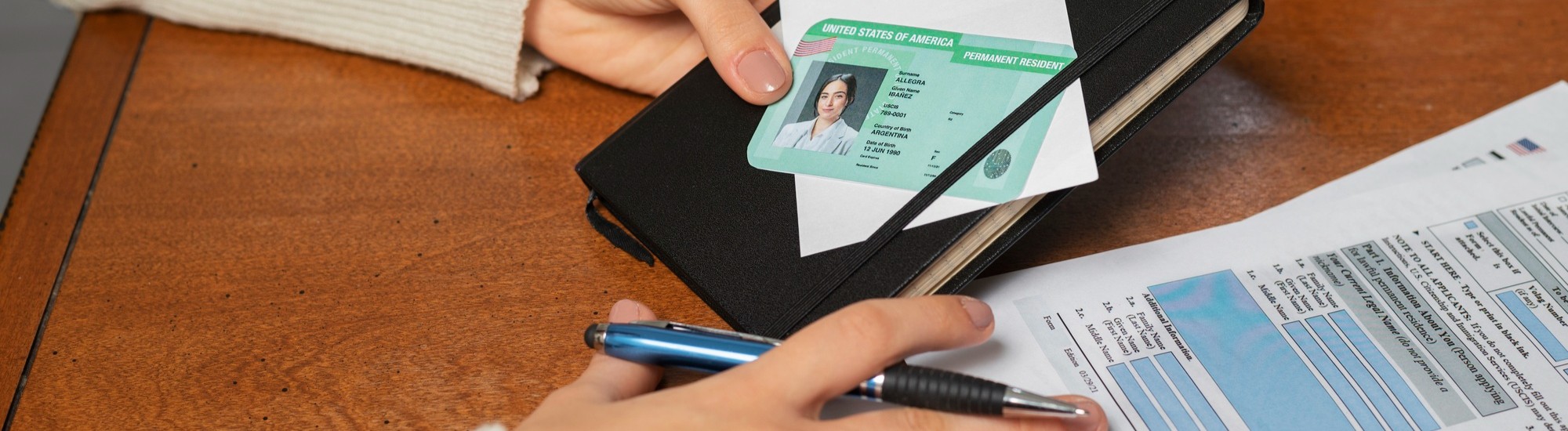

Passport photos are not just pictures — they are crucial identity documents used worldwide to verify a traveler’s identity. Whether you’re applying for a new passport or renewing an old one, a proper photo is a key requirement.
Traditional Passport Photos Explained
Characteristics of Traditional Passport Photos
Traditional passport photos have been the standard for many decades, long before the digital age introduced biometric technology. These photos are simple headshots, typically showing the person’s full face looking straight into the camera with a neutral expression. The subject’s mouth is usually closed, and there is no smiling or exaggerated facial expression. The simplicity of these photos was designed to clearly identify a person without distractions, ensuring that facial features are easily recognizable. The background is usually plain and free from any objects or patterns to keep the focus on the face.
Common Standards for Traditional Photos
Traditional passport photos have long been governed by a set of common standards to ensure consistency and acceptability worldwide. Typically, the background must be plain white or off-white, providing a neutral canvas that does not interfere with the face’s visibility. The face must be centered and facing forward directly at the camera, with both eyes open and clearly visible. Lighting is a critical factor; natural or studio lighting is used to minimize shadows on the face and background, preventing any areas from being too dark or washed out.
In the United States and many other countries, the photo size is usually standardized at 2 x 2 inches, with the head height between 1 to 1 3/8 inches from the bottom of the chin to the top of the head. These measurements help maintain a uniform appearance across all passport photos, making it easier for officials to review applications. Even though the standards may vary slightly by country, these basic rules have remained fairly consistent for traditional photos to ensure that they serve their primary purpose of clearly showing the applicant’s identity.
How Traditional Passport Photos Are Taken
Traditionally, passport photos were captured using film or digital cameras in professional photography studios, photo booths, or specialized photo centers. In the past, many people would visit a local photographer who was familiar with the requirements, ensuring the photo met all specifications. Photo booths, commonly found in malls, post offices, or airports, provided a quick and convenient way to get the required photo, though the quality sometimes varied. Once taken, the photos were printed on photographic paper and physically submitted along with the passport application or renewal forms.
The process was largely manual and involved less automated verification compared to today’s biometric systems. After submission, passport office personnel would visually inspect the photos to verify compliance with basic standards such as size, background, and facial expression. If the photo didn’t meet requirements, applicants often had to retake and resubmit their photos, sometimes delaying the application process. Although simple, this method was effective for many years, but it lacks the precision and security features offered by modern biometric photos.
Biometric Passport Photos Overview
A biometric passport photo is specially designed to work with facial recognition systems, which rely on analyzing unique facial features to verify a person’s identity. Unlike traditional photos, biometric photos must capture the face in a way that allows software to measure and compare specific facial points, such as the distance between the eyes, the shape of the nose, and the contour of the jawline. This technology is used widely in America to improve security at airports and border crossings, ensuring that the person presenting the passport is indeed the rightful owner.
Biometric photos must meet strict digital criteria that go beyond just visual appearance. They require precise alignment and consistency in facial expression, lighting, and background to avoid any distortions or shadows that could interfere with automated facial recognition systems. The goal is to create a standardized image that can be reliably read by machines globally, reducing identity fraud and speeding up the verification process.
Features of Biometric Passport Photos
Biometric passport photos have several distinctive features that set them apart from traditional photos. First, the lighting must be even and balanced, without shadows on the face or background, to ensure all facial details are clearly visible. The face must be centered and take up a specific portion of the photo, usually between 70% to 80% of the frame. This sizing helps the software identify the face precisely.
Other important features include:
- A plain, light-colored background, typically white or off-white, without patterns or objects.
- A neutral facial expression with the mouth closed and eyes open, looking straight at the camera.
- No hats, glasses, or anything covering the face, except religious headwear that does not obscure the facial features.
- High resolution and sharpness, with no blurring or pixelation.
- Correct color balance to avoid unnatural hues or excessive brightness.
Together, these features help biometric software map facial landmarks accurately, improving both security and the convenience of international travel.
How Biometric Photos Are Captured and Processed
Biometric passport photos in America are usually captured using high-quality digital cameras paired with specialized software that helps ensure compliance with government standards. Many official passport photo centers and some automated photo booths use these systems to take photos that are immediately checked for technical compliance, such as lighting, size, and facial positioning.
Once captured, biometric photos are often submitted electronically along with the passport application. The U.S. Department of State and other agencies then use facial recognition technology to compare the photo against existing databases, ensuring that the identity is genuine and that no fraudulent or duplicate identities exist. This digital submission process speeds up passport approval and improves accuracy.
Key steps in capturing and processing biometric photos include:
- Taking the photo with standardized lighting and positioning.
- Digitally cropping and adjusting the image to fit official specifications.
- Running software checks for image quality and biometric compatibility.
- Uploading the final photo securely as part of the passport application.
This streamlined approach is a major upgrade from traditional methods, supporting America’s commitment to enhanced border security and global travel standards.
Key Differences Between Biometric and Traditional Passport Photos
When comparing biometric and traditional passport photos, several critical differences emerge that affect how each photo is taken, processed, and used in identity verification. Biometric photos are designed with facial recognition technology in mind, which means they must align perfectly with sophisticated software algorithms. These algorithms analyze unique facial points such as the distance between the eyes, the shape of the nose, the position of the cheekbones, and the jawline. Traditional photos, on the other hand, focus primarily on a clear visual likeness without these precise measurements. Because biometric photos need to meet these algorithmic requirements, they must adhere to strict standards of facial positioning and expression, ensuring the face is fully visible and correctly aligned.
Beyond facial recognition, photo quality and specifications differ significantly. Biometric photos demand higher resolution images with crisp clarity, balanced color tones, and absolutely no shadows or reflections that could obscure facial features. Traditional photos tend to have more leniency regarding resolution and lighting conditions, as they rely on manual inspection rather than automated scanning. The background and lighting are also key differences: while traditional passport photos typically use a plain, light background, biometric photos require a uniform, shadow-free background with no gradients or objects. These conditions help biometric systems differentiate the face clearly from the background, improving recognition accuracy.
| Feature | Biometric Passport Photos | Traditional Passport Photos | Purpose/Impact |
| Facial Recognition Fit | Precisely aligned with facial recognition algorithms | General frontal headshot without algorithm constraints | Ensures software can accurately identify facial features |
| Resolution & Quality | High resolution, sharpness, and color balance | Lower resolution; focus on visual clarity | Enables automated verification vs. manual checks |
| Background Requirements | Plain, uniform, light-colored with no shadows | Plain light background, may have slight shadows | Avoids background interference in biometric scans |
| Expression & Pose | Neutral expression, direct gaze, mouth closed | Neutral but more flexible expressions allowed | Standardizes input for facial recognition systems |
Why the Shift Toward Biometric Passport Photos
Enhancing Security and Fraud Prevention
The move toward biometric passport photos is driven largely by the need to enhance security and reduce identity fraud. Traditional passport photos can be relatively easy to forge or alter, which poses risks for identity theft and unauthorized travel. Biometric photos add a crucial layer of security because they are specifically designed to be used by facial recognition systems. These systems analyze unique facial features that are difficult to replicate or fake. By ensuring that the passport photo meets biometric standards, authorities can more reliably confirm that the passport holder’s identity matches the individual presenting the document, reducing the chances of imposters slipping through.
Moreover, biometric photos contribute to stronger border security overall. They enable law enforcement and immigration officials to quickly detect fraudulent documents or individuals using stolen identities. The integration of biometric photos into passport systems allows countries like the United States to better protect their borders while facilitating legitimate travel. This advancement helps create a safer environment for international travel and supports global efforts to combat identity-related crimes.
Streamlining Border Control and Immigration Processes
Biometric passport photos are also transforming how border control and immigration procedures operate. One of the main benefits is that they enable automated passport control gates, commonly seen in many U.S. airports and other international hubs. These gates use facial recognition technology to match travelers’ faces with their biometric passport photos, speeding up the verification process without the need for manual officer intervention. This not only reduces wait times but also improves overall efficiency in managing high volumes of passengers.
The automation supported by biometric photos helps immigration officers focus their attention on cases that require more scrutiny, rather than routine identity checks. As a result, passenger flow becomes smoother and less prone to human error. This technological shift is crucial in a world with increasing international travel, where maintaining secure and fast processing at borders is a priority for both governments and travelers alike.
International Standards and ICAO Recommendations
The global push for biometric passport photos is backed strongly by the International Civil Aviation Organization (ICAO), a United Nations agency responsible for setting international standards for travel documents. ICAO recommends the use of biometric photos as part of Machine Readable Travel Documents (MRTDs) to ensure consistency and interoperability across countries. This standardization means that biometric passport photos taken in one country will be recognized and compatible with systems used by other countries, facilitating safer and more efficient global travel.
ICAO’s guidelines cover everything from photo size and background requirements to facial positioning and expression, ensuring that biometric photos meet universal criteria. The adoption of these standards helps reduce the risk of incompatible or unusable photos, which could otherwise cause delays or rejections at border checkpoints. By aligning with ICAO recommendations, countries like the United States ensure that their passport photos are accepted internationally, helping travelers avoid unnecessary complications and enhancing overall global travel security.